


p666 | Exploring the Fascinating World of Simulation Games: The Gateway to Virtual Experiences
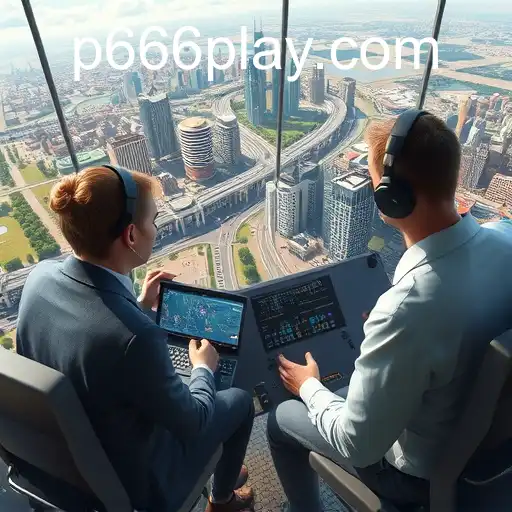
Simulation games have become an increasingly popular genre in the gaming industry, captivating players with their immersive and engaging gameplay. These games replicate real-world activities or scenarios, allowing players to experience a slice of life that they might not typically encounter. From managing a bustling city as a mayor to flying a commercial airplane as a pilot, simulation games offer a wide array of experiences that cater to diverse interests.
One of the unique appeals of simulation games is their ability to provide educational value alongside entertainment. By simulating complex systems and environments, players can learn and develop skills in various real-world applications. For example, games like "Flight Simulator” or “Train Simulator” teach players about the intricate operations of piloting an aircraft or controlling a train. Similarly, life simulation games like “The Sims” allow players to explore different life choices, enhancing their understanding of human interactions and social dynamics.
The advancement of technology has greatly enhanced the simulation genre, allowing for more realistic graphics and sophisticated AI systems. This technological progress has led to the creation of subgenres within simulations, including professional simulators used for training purposes in industries such as aviation, maritime, and automotive sectors.
Players are drawn to the creative freedom offered by simulation games. These games often have open-ended gameplay, providing players the opportunity to shape their virtual worlds according to their preferences. This freedom, combined with the strategic planning and problem-solving aspects of the genre, offers a sense of accomplishment and control, which is highly appealing to players.
The community aspect of simulation games cannot be overlooked, either. Many of these games encourage collaboration, competition, and creativity among players, fostering a sense of community and shared experiences. This communal engagement is seen in massively multiplayer online simulation games where players can interact, share tips, or showcase their creations.
Simulation games continue to evolve, with developers pushing the boundaries of what is possible within this genre. As virtual reality and augmented reality technologies become more accessible, the future of simulation games looks promising, offering even more immersive and lifelike experiences for players.
In conclusion, simulation games provide a unique blend of education, creativity, and entertainment, making them a staple in the gaming community. Whether it's flying a plane, building a city, or just living a simple virtual life, simulation games offer something for everyone and continue to captivate the imaginations of players worldwide.
